

Introduction
When your furry friend suddenly erupts into a chorus of barks at an approaching stranger, you’re witnessing thousands of years of evolutionary history playing out in real-time. This protective behavior, deeply woven into the fabric of canine DNA, tells a fascinating story of survival, loyalty, and the remarkable bond between dogs and humans that has developed over millennia.
Let us guide you through the complex world of protective barking—a behavior that can simultaneously make you feel safer and leave you apologizing to startled neighbors. Whether your dog transforms into a four-legged alarm system at the sight of the delivery person or maintains a watchful silence, understanding the “why” behind this behavior opens doors to better communication with your canine companion. Did you know that this seemingly simple act involves a sophisticated interplay of evolutionary instincts, emotional processing, and social awareness that rivals some of our own complex behaviors?
Character & Behavior: The Evolutionary Foundation
From Wolves to Watchdogs: The Ancient Origins
The journey from wild wolf to domestic guardian began over 15,000 years ago, when our ancestors first formed partnerships with canids. This process wasn’t just about creating smaller, friendlier wolves—it fundamentally rewired how dogs communicate with both their environment and their human families. While wolves typically outgrow juvenile behaviors like persistent barking, our domestic companions retained these traits through a process called pedomorphosis, essentially maintaining puppy-like characteristics throughout their lives.
The Protective Instinct Balance manifests differently across individuals, but its roots run deep. When Dmitry K. Belyaev conducted his famous fox experiments on tamability, he discovered that selecting for friendliness toward humans created unexpected changes in hormone systems and neurochemicals. These same changes likely occurred during dog domestication, creating animals uniquely attuned to human needs while maintaining their ancestral alert systems. Your dog’s bark at strangers isn’t just noise—it’s an adaptive warning mechanism that once helped early human communities survive threats in the darkness.
Breed Tendencies vs. Individual Personality presents an interesting paradox. While we often expect German Shepherds to be protective and Golden Retrievers to be friendly, research reveals that breed explains only about 9% of behavioral variation between individual dogs. This means that your neighbor’s supposedly “guard dog” Rottweiler might be less protective than your Cavalier King Charles Spaniel! These behaviors stem from thousands of years of polygenic adaptation that predates our modern concept of breeds, which only emerged about 160 years ago. 🐾
The Emotional Engine Behind the Bark
When your dog barks at strangers, multiple emotional systems fire simultaneously, creating a complex motivational landscape that drives the behavior. Understanding these emotional drivers helps us respond more effectively to our dogs’ needs.
Fear, Territory, or Love? The answer often involves all three. Research shows that barking frequently stems from anxiety—particularly when dogs perceive potential threats to their social unit. This isn’t simple territorial aggression; it’s a nuanced emotional response involving the hypothalamic-pituitary-adrenal (HPA) axis, which floods your dog’s system with stress hormones like cortisol and adrenaline during protective episodes. When your normally calm companion suddenly becomes vocal at the approach of a stranger, their body is experiencing a cascade of neurochemical changes similar to what you might feel during a stressful presentation.
The Oxytocin Connection plays a fascinating role in protective behaviors. Just as oxytocin strengthens the bond between human parents and children, this “love hormone” deepens the attachment between you and your dog. This chemical connection means that your dog’s protective barking might actually be motivated by love—a desire to keep their beloved human safe from perceived threats. The stronger your bond, mediated by oxytocin and reinforced through daily interactions, the more likely your dog is to view strangers as potential disruptions to your shared social unit.
Vocalization & Communication: Decoding the Message
The Language of Protective Barking
Your dog’s bark at strangers isn’t a one-size-fits-all vocalization—it’s a sophisticated communication system with distinct patterns and meanings. Learning to interpret these vocal signals transforms you from a confused owner into an informed partner in your dog’s emotional world.
Pitch, Pattern, and Intensity tell different stories about your dog’s internal state. A deep, slow bark often signals confidence and territorial assertion—your dog is saying, “I see you, and I’m watching.” Meanwhile, rapid, high-pitched barking typically indicates fear or anxiety, essentially translating to “I’m unsure about this situation and need backup!” The duration matters too; sustained barking suggests heightened arousal that may require intervention, while a few alert barks followed by quiet observation indicates a more measured response.
Context Clues in Canine Communication extend beyond the bark itself. Watch for accompanying body language:
- A stiff, forward-leaning posture with raised hackles suggests defensive readiness
- Backing away while barking indicates fear-based reactivity
- A relaxed tail wag combined with barking might mean excited greeting rather than threat response
- Frequent glances back at you during barking episodes demonstrate social referencing—your dog is literally asking for your input
The Multi-Modal Message combines vocalizations with visual and even olfactory signals. While we focus on the audible bark, your dog simultaneously communicates through posture, facial expressions, and scent marking. This rich tapestry of communication evolved to convey complex information quickly—essential for pack animals needing to coordinate responses to threats. 🧠
Reading Your Dog’s Emotional Barometer
Understanding what drives your dog’s protective vocalizations requires recognizing the cognitive processes occurring beneath the surface. Dogs possess remarkable abilities to discriminate between different types of strangers and situations, though these assessments don’t always align with human perceptions of safety.
Social Referencing in Action means your dog constantly monitors your emotional state for cues about how to respond to strangers. Research demonstrates that dogs behave differently based on their owner’s authentic emotional expressions—they gaze and jump less at sad owners and perform better in tasks when owners are happy. This emotional attunement extends to stranger encounters; if you tense up when someone approaches, your dog interprets this as confirmation that vigilance is warranted.
Experience Shapes Expression in profound ways. A dog who experienced positive socialization during their critical developmental period (3-14 weeks) will likely show more discriminating protective behavior, barking primarily at genuinely unusual situations rather than every passerby. Conversely, dogs with limited early exposure or past trauma may exhibit heightened reactivity, perceiving threats where none exist. This heightened vigilance, while exhausting for both dog and owner, represents an adaptive response to perceived environmental unpredictability.
Training & Education: Shaping Appropriate Responses
Building Better Barking Habits
The goal isn’t to eliminate protective barking entirely—that would be like asking a smoke detector to stop detecting smoke. Instead, we want to refine this natural behavior into a useful tool that enhances rather than disrupts your daily life. This process requires patience, consistency, and an understanding of learning theory principles.
The “Thank You” Method acknowledges your dog’s alert without reinforcing excessive barking. When your dog barks at a stranger, calmly say “thank you” and redirect their attention to you with a treat or toy. This approach validates their protective instinct while teaching them that brief alerting is sufficient. You’re essentially saying, “I appreciate the heads-up, but I’ve got it from here.” Practice this consistently, and you’ll notice your dog beginning to look to you after one or two alert barks rather than launching into a prolonged vocal performance.
Differential Reinforcement involves rewarding the behaviors you want to see more of while managing the environment to prevent reinforcement of unwanted barking. This might mean:
- Treating and praising when your dog notices a stranger but remains quiet
- Creating positive associations with strangers through controlled exposure at comfortable distances
- Teaching an incompatible behavior like “go to your mat” when visitors arrive
- Using management tools like window film to reduce visual triggers during training
Counter-Conditioning Changes Emotions by pairing the sight of strangers with wonderful things. Start at a distance where your dog notices strangers but doesn’t bark—this is your training sweet spot. Every time a stranger appears, immediately deliver high-value treats. Over time, your dog learns that strangers predict good things, shifting their emotional response from concern to anticipation. This emotional shift is crucial because it addresses the root cause rather than just suppressing the symptom. 😄
Common Training Pitfalls to Avoid
Understanding what doesn’t work is just as important as knowing effective techniques. Many well-meaning owners inadvertently reinforce the very behaviors they’re trying to reduce.
Yelling “No!” or “Quiet!” often backfires spectacularly. To your dog, your raised voice sounds like you’re joining in the barking party! This perceived backup can actually intensify their protective response. Remember, dogs are masters at reading emotional energy but not necessarily our words—your frustration or anxiety amplifies their own arousal rather than calming it.
Punishment-Based Approaches pose serious welfare concerns. Using shock collars, spray bottles, or other aversive methods to suppress protective barking doesn’t address the underlying emotion driving the behavior. Worse, it can create additional anxiety, potentially leading to:
- Increased fear and stress around strangers
- Redirected behaviors like destructive chewing or house soiling
- Damaged trust in the human-dog relationship
- Learned helplessness where dogs shut down emotionally
Inconsistent Responses confuse your dog and slow progress. If you sometimes reward quiet behavior, sometimes ignore barking, and sometimes give attention (even negative attention) for vocalizing, your dog can’t predict which response their behavior will produce. This unpredictability can actually increase anxiety and barking as your dog tries harder to figure out the rules.
Performance & Activities: Channeling Protective Instincts
Productive Outlets for Guardian Energy
Dogs with strong protective instincts need appropriate channels for these drives. Without constructive outlets, protective behaviors can become problematic, manifesting as excessive barking, anxiety, or even aggression. Let’s explore ways to honor your dog’s natural guardian tendencies while maintaining household harmony.
Structured Alert Training transforms random barking into purposeful communication. Teach your dog a specific “speak” command, followed by a “quiet” command. This gives them permission to alert you in appropriate situations while maintaining your ability to control duration and intensity. Start in low-distraction environments:
- Wait for a natural bark, immediately say “speak!” and reward
- After 2-3 barks, hold up a treat, say “quiet,” and reward when they stop
- Gradually increase the challenge by practicing near windows or doors
- Eventually, your dog learns to give a controlled alert bark on command and settle on request
Scent Work and Detection Games satisfy your dog’s need to investigate potential threats in a controlled, positive way. Hide treats or toys around your home and encourage your dog to “search” or “find it.” This mental stimulation reduces overall anxiety while giving protective dogs a job that utilizes their vigilance constructively. Advanced practitioners can even teach their dogs to identify specific scents, turning that suspicious nature into a fun party trick.
Confidence-Building Exercises help fearful barkers develop resilience. Activities like agility training, parkour, or even simple obstacle courses in your backyard build physical confidence that translates to emotional stability. When dogs successfully navigate physical challenges, they develop problem-solving skills and self-assurance that reduce fear-based reactivity to strangers. 🐾
Environmental Management Strategies
Your home environment significantly influences barking frequency and intensity. Strategic modifications can reduce triggers while maintaining your dog’s sense of security.
Visual Barriers and Safe Spaces give your dog breaks from constant vigilance. Window film at dog eye-level prevents them from monitoring every passing pedestrian, while maintaining natural light. Create a cozy den-like space away from high-traffic areas where your dog can retreat when feeling overwhelmed. This might be a crate with a blanket draped over it, a corner with their bed behind furniture, or even a dedicated “quiet room” for particularly sensitive dogs.
Sound Management matters more than many owners realize. Dogs can hear frequencies up to 65,000 Hz (compared to human’s 20,000 Hz maximum), meaning they detect approaching strangers long before you do. White noise machines, calming music designed for dogs, or even a TV on low volume can mask distant sounds that trigger anticipatory barking. Research shows that classical music, particularly simplified arrangements with 50-60 beats per minute, can reduce stress-related behaviors in dogs.

Nutritional Recommendations: Feeding for Calm
The Gut-Brain-Behavior Connection
What your dog eats influences more than just their physical health—nutrition directly impacts neurotransmitter production, stress hormone regulation, and overall emotional resilience. While diet alone won’t solve protective barking issues, optimizing nutrition supports your training efforts and your dog’s emotional wellbeing.
Tryptophan and Serotonin Production play crucial roles in mood regulation. Tryptophan, an essential amino acid found in turkey, chicken, and fish, serves as a precursor to serotonin—the “feel-good” neurotransmitter. Dogs with adequate serotonin levels typically show less anxiety and more measured responses to environmental stressors. Consider incorporating:
- High-quality proteins with balanced amino acid profiles
- Complex carbohydrates that aid tryptophan absorption
- Omega-3 fatty acids from fish oil to support brain health
- B-vitamins that facilitate neurotransmitter synthesis
Blood Sugar Stability affects behavioral consistency. Rapid spikes and crashes in blood glucose can trigger irritability and heightened reactivity—imagine how you feel when “hangry,” and you’ll understand your dog’s experience. Feeding schedules matter:
- Provide two to three smaller meals rather than one large feeding
- Choose foods with moderate glycemic index values
- Avoid high-sugar treats that cause energy rollercoasters
- Consider puzzle feeders that slow consumption and provide mental stimulation
Calming Supplements may benefit particularly anxious barkers, though you should always consult your veterinarian before starting any supplement regimen. Research-supported options include:
- L-theanine: An amino acid that promotes relaxation without sedation
- Probiotics: Specific strains like Lactobacillus casei have shown anxiety-reducing properties
- Adaptogenic herbs: Ashwagandha and rhodiola may help regulate stress responses
- CBD oil: Emerging research suggests potential benefits for anxiety, though more studies are needed
Timing Meals for Training Success
When you feed impacts when your dog is most receptive to training. Understanding these patterns helps you maximize learning opportunities while minimizing stress-driven behaviors.
Pre-Walk Nutrition affects reactivity levels. Feeding a small, protein-rich snack 30-60 minutes before walks provides stable energy without the sluggishness of a full meal. This helps maintain focus during training opportunities when encountering strangers. Avoid walking immediately after large meals, as digestive discomfort can increase irritability and decrease tolerance for stressors.
Training Treat Strategy requires balancing motivation with nutrition. Use your dog’s regular kibble for low-distraction training, reserving special treats for challenging situations like close stranger encounters. This prevents overfeeding while maintaining food motivation. Calculate training treats as part of daily caloric intake—reduce meal portions accordingly to prevent weight gain, which can exacerbate joint issues and reduce overall wellbeing.
Health Concerns: When Barking Signals Medical Issues
Physical Health Factors
Sometimes excessive protective barking indicates underlying health problems rather than purely behavioral issues. Understanding these connections helps you identify when veterinary intervention is needed.
Pain and Discomfort can dramatically increase reactivity. Dogs experiencing chronic pain from conditions like arthritis, dental disease, or undiagnosed injuries may bark more frequently because they feel vulnerable. They can’t flee as easily, so vocalization becomes their primary defense. Watch for:
- Sudden increases in protective barking without environmental changes
- Barking accompanied by limping, stiffness, or reluctance to move
- Changes in appetite or sleep patterns alongside increased vocalization
- Touch sensitivity in previously handleable dogs
Sensory Decline changes how dogs perceive threats. Age-related hearing loss might cause startled barking when strangers “suddenly appear” because your dog didn’t hear them approaching. Similarly, declining vision can make familiar people seem threatening when recognition is delayed. These dogs aren’t becoming “grumpier”—they’re adapting to a scarier world where threats appear without warning.
Hormonal Imbalances influence emotional regulation. Conditions affecting the thyroid, adrenal glands, or reproductive hormones can alter behavior significantly:
- Hypothyroidism may cause increased anxiety and reactivity
- Cushing’s disease can lead to heightened stress responses
- Intact males may show increased territorial behavior due to testosterone
Neurological and Cognitive Considerations
The brain changes that affect protective barking extend beyond simple aging. Understanding these neurological factors helps differentiate between trainable behaviors and medical conditions requiring veterinary support.
Canine Cognitive Dysfunction (CCD) affects senior dogs similarly to how dementia affects humans. Dogs with CCD may bark at strangers they previously knew, become confused about familiar versus unfamiliar people, or vocalize due to disorientation. Early signs include:
- Barking at night when the house is quiet
- Seeming not to recognize family members initially
- Increased anxiety in previously confident dogs
- Getting “stuck” in corners or behind furniture
Amygdala Hypersensitivity creates a hair-trigger alarm system. Some dogs, particularly those with traumatic histories or genetic predispositions to anxiety, show heightened amygdala activation in response to novel stimuli. This means their fear center fires more readily and intensely than typical dogs, creating seemingly disproportionate responses to minor triggers. These dogs benefit from:
- Medication to reduce baseline anxiety (prescribed by veterinarians)
- Systematic desensitization at very gradual increments
- Environmental modifications to reduce trigger exposure
- Patience and understanding that their reactions aren’t willful disobedience 🧠
Legal & Insurance Considerations: Protecting Yourself and Others
Understanding Your Liability
When your dog’s protective barking crosses the line from annoying to aggressive, you enter a complex legal landscape that varies significantly by location. Let us guide you through these often-overlooked implications that could impact both your finances and your ability to keep your beloved companion.
Liability Concerns and Consequences extend far beyond simple noise complaints. If your barking dog causes someone to fall (from startlement or while backing away), injure themselves fleeing, or experience documented psychological distress, you could face civil lawsuits. Courts have increasingly recognized “acoustic assault” in cases of chronic, excessive barking that impacts neighbors’ quality of life. Your legal responsibility includes:
- Maintaining control of your dog’s behavior even on your property
- Preventing foreseeable harm from known behavioral issues
- Responding appropriately to official warnings or complaints
- Demonstrating good faith efforts to address the problem
Insurance Implications might surprise you. Many homeowner’s and renter’s insurance policies include clauses about “nuisance behaviors,” and excessive barking can lead to:
- Increased premiums after complaints or incidents
- Policy cancellation for repeated issues
- Exclusion of dog-related incidents from coverage
- Difficulty obtaining new coverage with a “problem dog” history
Always review your policy’s animal liability section and consider umbrella coverage if you have a vocal guardian. Some insurers offer discounts for dogs who complete certified training programs—documentation that could save you money while improving behavior.
Noise Ordinances and Fines vary dramatically between jurisdictions. Urban areas typically have stricter regulations, with some cities defining “excessive” as:
- Barking for more than 10 minutes continuously
- Intermittent barking for 30+ minutes
- Any barking during designated “quiet hours” (often 10 PM – 7 AM)
- Barking audible from specific distances (usually 50-150 feet)
Fines range from $50 for first offenses to $1,000+ for repeated violations. Some jurisdictions can even mandate bark collar use, require behavioral training, or in extreme cases, order rehoming.
Documentation Strategies for Protection
Creating a paper trail demonstrates responsible ownership and can protect you legally while helping track training progress.
The Barking Log should include:
- Date, time, and duration of barking episodes
- Identifiable triggers (delivery truck, specific neighbor, storms)
- Training interventions attempted and their effectiveness
- Environmental modifications implemented
- Professional consultations and their recommendations
This documentation proves you’re actively addressing the issue and can be crucial if disputes escalate to legal proceedings. Use a simple notebook or smartphone app—consistency matters more than format.
Proactive Communication with neighbors often prevents legal escalation. Consider:
- Writing a friendly letter acknowledging the issue and outlining your training plan
- Sharing your trainer’s contact information and training timeline
- Providing your phone number for immediate contact during episodes
- Offering specific compromises (e.g., bringing dog inside during certain hours)
- Following up monthly with progress updates
This approach transforms potential adversaries into allies who understand you’re working on the problem. Many neighbors are far more patient when they see genuine effort. 🧠
Protective. Ancient. Adaptive.
Barking is survival’s echo. Each sharp sound is a remnant of ancestral wolves warning their pack of danger. What startles strangers today once safeguarded early human settlements.
Domestication rewired communication. Through thousands of years alongside humans, dogs retained juvenile barking as a permanent tool. This adaptation fused loyalty with vigilance, creating living alarm systems.
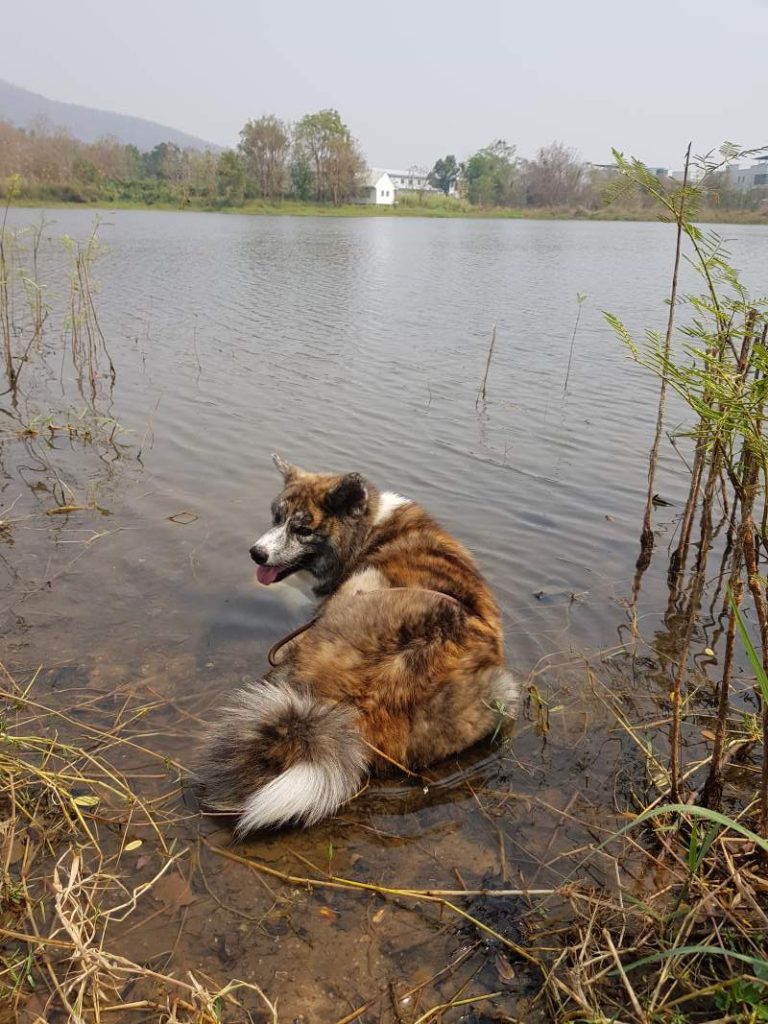


Instinct meets individuality. Breed plays a role, but personality shapes expression. The tiniest spaniel may out-guard a shepherd, proving that protective barking is as personal as it is ancient.
Breed-Specific Insights: Nature Meets Nurture
The Guardian Breeds: Born to Bark?
While research confirms that breed explains only 9% of behavioral variation, certain breeds were selectively developed for protective traits over centuries. Understanding these tendencies—without stereotyping individual dogs—helps set realistic expectations and tailor training approaches.
Top Protective Barkers and Management Strategies:
- German Shepherd – Originally bred for herding and protection. Their intelligence means they quickly learn discriminative barking, but also need substantial mental stimulation to prevent boredom barking. Focus on impulse control exercises and “settle” commands.
- Chihuahua – Don’t let size fool you; these tiny guardians often show the most intense stranger-directed barking. Their portability makes management easier—simply remove them from triggering situations while working on desensitization.
- Beagle – That distinctive bay evolved for hunting communication. Channel this into scent games and teach a “quiet” command using their food motivation.
- Terrier Breeds (Jack Russell, Scottish, Yorkshire) – Bred to alert on vermin, they’re naturally vigilant. Provide appropriate outlets through earthdog activities or barn hunt sports.
- Rottweiler – Guardian heritage means they take threats seriously. Early socialization is crucial, and they respond well to confident, calm leadership.
- Dachshund – Originally badger hunters, they’re brave beyond their size. Address their back health first—pain increases reactivity.
- Doberman Pinscher – Developed specifically for personal protection. They need clear boundaries about when protection is appropriate versus everyday encounters.
- Great Pyrenees – Livestock guardians who bark as their primary defense. Expecting silence is unrealistic; instead, focus on teaching “enough” commands.
- Australian Cattle Dog – Herding breeds often bark to control movement. Redirect this into appropriate activities like agility or herding trials.
- Pomeranian – Classic “small dog syndrome” often stems from owners not taking their warnings seriously. Treat their concerns as valid while teaching appropriate responses.
Size Matters: Different Challenges, Different Approaches
The physical reality of size creates distinct behavioral patterns and management needs that go beyond simple stereotypes.
Small Dog Considerations include the reality that the world is genuinely more threatening when you weigh 10 pounds. These dogs often bark more because:
- They can’t rely on physical intimidation
- Owners inadvertently reinforce barking by picking them up (rewarding with comfort)
- Their warnings are often ignored until they escalate
- They’re more likely to be on furniture, increasing territorial behavior
Management focuses on building confidence through ground-level training, respecting their communications, and avoiding helicopter parenting that reinforces anxiety.
Large Breed Dynamics present different challenges:
- Their bark is more likely to genuinely frighten people, increasing liability
- Physical management is harder—you can’t simply pick them up
- They need more space for comfortable distance during training
- Their longer adolescent period means protective behaviors may intensify around 18-24 months
Training emphasizes early intervention, as waiting until a 100-pound dog develops protective barking is far more challenging than preventing it in a 20-pound puppy.
Mixed Breed Mysteries can benefit from genetic testing, not for definitive behavioral predictions, but for understanding potential tendencies. If your mixed breed shows 30% guardian breed heritage, you might:
- Start socialization earlier and more intensively
- Anticipate potential protective tendencies emerging during adolescence
- Choose trainers experienced with guardian breeds
- Adjust expectations for complete elimination of alert barking
Remember that mixed breeds often show “hybrid vigor”—potentially more moderate expressions of breed-specific traits. 🐾
Cultural & Social Dimensions: Barking in Context
Global Perspectives on Protective Dogs
How societies view protective barking varies dramatically across cultures, influencing everything from training approaches to legal standards. Understanding these differences helps us appreciate that there’s no universal “right” approach to managing this behavior.
Cultural Attitudes Toward Dog Guardians reflect broader societal values:
- Mediterranean and Latin American cultures often value visible protection, viewing a barking dog as essential home security
- Scandinavian countries emphasize quiet companionship, with protective barking seen as poor training
- Rural communities worldwide typically accept more barking than urban areas
- Asian metropolises often have strict noise regulations but may be more tolerant of small dog barking
- North American suburbs fall somewhere between, with wide variation by region
These differences mean that training advice from different cultural contexts might conflict. What’s considered responsible ownership in Tokyo might seem excessive in rural Texas.
Apartment Living Realities require special consideration. You’re not just training your dog; you’re maintaining community harmony. Success strategies include:
- Meeting neighbors proactively to humanize you and your dog
- Sharing your training schedule and progress
- Offering your phone number for direct communication
- Creating buffer zones with white noise machines near shared walls
- Scheduling training sessions during acceptable hours
- Considering doggy daycare during initial training phases to prevent all-day barking
Building positive relationships with neighbors creates goodwill that can make the difference between a noise complaint and a patient understanding that you’re working on the issue.
Special Circumstances and Accommodations
Some situations require nuanced approaches to protective barking that standard training guides rarely address.
Service Dogs and Protective Barking present unique challenges. While service dogs receive extensive training, they’re still dogs with natural instincts. Protective barking becomes problematic when it:
- Interferes with task performance
- Draws unwanted attention in public spaces
- Violates public access requirements
- Creates access challenges for the handler
Handlers must balance their dog’s natural protective instincts with public access needs, often requiring professional intervention from service dog trainers who understand these specific requirements.
Shared Custody Challenges arise in divorced or separated families where dogs move between homes. Inconsistent rules about barking can confuse dogs and slow training progress. Success requires:
- Written agreements about training protocols
- Shared documentation of triggers and progress
- Consistent commands and reward systems
- Regular communication between households
- Professional mediation if approaches conflict significantly
The dog’s welfare must take precedence over personal differences, sometimes meaning one household takes primary responsibility for behavior modification.
Generational Training Divides often create family tension. Older generations might advocate for punishment-based methods (“my grandfather’s dogs never barked!”), while younger family members embrace positive reinforcement. Bridge these gaps by:
- Focusing on shared goals (everyone wants less barking)
- Demonstrating effectiveness rather than arguing theory
- Involving resistant family members in positive training successes
- Providing scientific articles about modern training methods
- Sometimes agreeing to disagree while maintaining consistency in your own interactions
Remember that changing ingrained beliefs takes time, but consistent positive results often speak louder than arguments. 😄
Puppy Prevention: Starting Right
The Critical Window: 3-14 Weeks
This brief period shapes your puppy’s future relationship with strangers more than any other time in their life. Miss this window, and you’re playing catch-up forever. Let us guide you through maximizing these precious weeks.
Week-by-Week Socialization Strategy for preventing problematic protective barking:
Weeks 3-5 (Usually with breeder):
- Exposure to varied household sounds
- Gentle handling by different people
- Introduction to different surfaces and mild challenges
- Early neurological stimulation exercises
Weeks 6-8 (Transition period):
- First experiences with strangers outside the family
- Positive associations with doorbell sounds
- Brief, happy visits from varied people (different ages, appearances, mobility aids)
- Beginning of “strangers predict good things” conditioning
Weeks 9-11 (Fear period—proceed carefully):
- Quality over quantity in stranger interactions
- Focus on positive experiences at comfortable distances
- Avoid overwhelming situations that could create lasting fear
- Begin puppy classes with controlled socialization
Weeks 12-14 (Socialization sprint):
- Aim for positive interactions with 100 different people
- Include people in uniforms, hats, sunglasses, using mobility aids
- Practice in various locations (not just home)
- Reward calm observation of strangers at distance
After 14 weeks, socialization continues but becomes less impactful. The foundation is set—now you’re building on it rather than creating it.
Selecting Support Systems
The choices you make in your puppy’s first year profoundly impact their protective barking tendencies. Not all puppy classes or breeders are created equal.
Choosing the Right Puppy Class requires careful evaluation:
- Look for positive reinforcement-based methods exclusively
- Class size should allow individual attention (6 puppies maximum)
- Controlled socialization rather than chaotic free-for-alls
- Specific exercises addressing stranger interactions
- Discussion of fear periods and development stages
- Take-home exercises for continued practice
Red flags include: dominance-based language, overwhelming environments, forced interactions, or “let them work it out” attitudes toward puppy conflicts.
Breeder Selection Impact on future protective behavior is enormous. Responsible breeders:
- Begin handling and mild stress exercises from day 3
- Expose puppies to various people before 8 weeks
- Conduct temperament testing around 7 weeks
- Match puppies to families based on lifestyle and experience
- Provide detailed socialization records
- Offer lifetime behavioral support
Puppy mill or irresponsible breeders often produce puppies with heightened fear responses and poor stress resilience, setting the stage for excessive protective barking.
Early Warning Signs and Intervention
Recognizing developing reactivity allows early intervention when modification is easiest. Watch for these subtle signs that protective barking might become problematic:
8-16 Weeks Warning Signs:
- Excessive startling at normal sounds
- Prolonged recovery after mild stress
- Hiding behind owner when meeting new people
- Growling or prolonged barking at strangers
- Inability to take treats around new people
4-6 Months Adolescent Indicators:
- Increasing reactivity despite ongoing socialization
- Barking at strangers from greater distances
- Difficulty settling after alerting
- Selective hearing during barking episodes
- Stiffening or freezing when strangers approach
First-Year Development Timeline for protective behavior:
- Months 1-4: Foundation through socialization
- Months 4-6: First adolescent testing, potential fear period
- Months 6-9: Increased independence, possible protective tendencies emerging
- Months 9-12: Second fear period, hormonal influences beginning
- Months 12-18: Adolescent peak, protective behaviors likely to intensify
Early intervention during any concerning phase prevents escalation. Don’t wait to see if they “grow out of it”—they’re more likely to grow into it without proper guidance. 🧠
Gender & Hormonal Influences: The Chemical Component
Reproductive Status and Barking Behaviors
The decision to spay or neuter—and when—significantly impacts protective barking patterns. Understanding these hormonal influences helps you make informed decisions about your dog’s reproductive health and behavior management.
Intact vs. Altered Differences in protective barking are complex and sometimes counterintuitive:
Intact males often show:
- Increased territorial marking and associated vigilance
- Heightened reactivity to other intact males
- More persistent barking once triggered
- Seasonal variations correlating with female cycles in the area
- Generally more intense protective behaviors after sexual maturity
Intact females experience:
- Fluctuating reactivity throughout heat cycles
- Increased protective behavior during phantom pregnancies
- Heightened anxiety and vocalization before heat
- Potential aggression toward strangers during maternal periods
Neutered/spayed dogs typically display:
- More stable behavioral patterns without hormonal fluctuations
- Potentially reduced intensity in protective behaviors
- Sometimes increased anxiety if altered before behavioral maturity
- Individual variations based on age at alteration
Timing of Alteration matters more than many owners realize. Early spay/neuter (before 6 months) can:
- Increase fearfulness and anxiety in some dogs
- Extend the adolescent period
- Reduce confidence that moderates reactive barking
- Impact physical development that influences behavior
Waiting until behavioral maturity (12-18 months depending on breed) allows:
- Full confidence development
- Establishment of adult temperament
- Better assessment of behavioral tendencies
- Hormonal contributions to emotional stability
Household Dynamics and Gender Interactions
The gender composition of your dog household creates unique dynamics that influence protective barking patterns. These interactions go beyond simple male-versus-female stereotypes.
Same-Sex Challenges often intensify protective behaviors through:
- Competition for guardian status
- Synchronized alert responses amplifying barking
- Resource competition increasing overall stress
- Potential for redirected aggression during high arousal
Management requires careful resource distribution, separate training sessions initially, and potentially staggered walking schedules to reduce competitive dynamics.
Opposite-Sex Dynamics typically create:
- More defined roles with one primary alerter
- Less competitive tension
- Potential for males to be more protective of females
- Generally easier multi-dog management
However, intact opposite-sex pairs require careful management to prevent unplanned breeding and associated behavioral intensification.
Pregnancy and Protective Behaviors create special circumstances requiring adapted management:
When owners are pregnant:
- Dogs often detect pregnancy before owners know
- Increased protective barking toward strangers near pregnant owner
- Potential anxiety about changes in routine and attention
- Need for behavior modification before baby arrives
When dogs experience pregnancy or phantom pregnancy:
- Dramatic increase in protective behaviors
- Guarding of nesting areas
- Potential aggression toward strangers
- Hormonal fluctuations affecting training responsiveness
Post-whelping changes include:
- Intense maternal protection requiring careful management
- Gradual decrease in protective behaviors as puppies mature
- Potential for lasting behavioral changes after first litter
- Need for controlled reintroduction to normal activities
Understanding these hormonal influences helps predict and manage protective barking fluctuations, allowing you to provide appropriate support during challenging periods while maintaining household harmony. 🐾
Lifestyle & Environment: Creating Harmony
Urban vs. Rural Considerations
Where you live profoundly impacts your dog’s protective barking patterns and your management strategies. Each environment presents unique challenges and opportunities for addressing stranger-directed vocalizations.
City Living Challenges include constant exposure to strangers, limited space for distance-based training, and noise ordinances that make excessive barking particularly problematic. Urban dogs encounter dozens or even hundreds of strangers daily, potentially leading to:
- Habituation where truly concerning situations don’t elicit appropriate alerts
- Chronic stress from overstimulation
- Barrier frustration from seeing but not investigating numerous stimuli
- Neighbor complaints that add pressure to quick behavior modification
Urban solutions focus on selective attention and impulse control. Teach your city dog to ignore routine passersby while maintaining awareness of unusual situations. Use “look at that” training where calm observation is rewarded, creating positive associations with the urban parade of strangers.
Rural and Suburban Dynamics present different patterns. Fewer stranger encounters might make each one more significant to your dog, potentially triggering stronger responses. The “big fish in a small pond” phenomenon means your dog might view their larger territory as requiring more vigorous defense. Benefits include:
- More space for gradual counterconditioning
- Fewer noise complaints allowing systematic training
- Natural barriers like yards that provide security
- Opportunities for controlled socialization
Family Dynamics and Protective Barking
Your household composition influences both the expression of protective behaviors and available management strategies. Understanding these dynamics helps create realistic training plans that work for everyone.
Multi-Dog Households can amplify or moderate protective barking through social facilitation. One dog’s alert can trigger a cascade of barking from others, creating a canine chorus that’s difficult to interrupt. Conversely, a confident, calm dog can model appropriate responses for an anxious housemate. Management strategies include:
- Training dogs separately before group sessions
- Identifying the “instigator” and focusing initial efforts there
- Using baby gates to prevent mob mentality at the door
- Rewarding the quiet dog to encourage social learning
Children and Protective Barking requires special consideration. Dogs often show heightened protective instincts around young family members, viewing them as vulnerable pack members requiring extra vigilance. This can manifest as:
- Increased barking when children are present
- Body blocking between children and strangers
- Stress when children interact with unfamiliar adults
- Resource guarding behaviors around children’s items
Teaching children appropriate interaction helps reduce protective triggers. Kids should learn to remain calm during barking episodes, avoid running or screaming which increases arousal, and participate in training by rewarding quiet behavior under adult supervision.
Senior Care: Aging and Protective Behaviors
The Golden Years: Changing Patterns
As dogs age, their protective barking often undergoes significant changes. Understanding these shifts helps you provide appropriate support while maintaining quality of life for your senior companion.
Increased Vigilance or Decreased Response? Senior dogs may show either pattern. Some become more protective as physical limitations make them feel vulnerable, while others show decreased interest in guard duties. Factors influencing these changes include:
- Overall health status and mobility
- Cognitive function preservation
- Lifetime reinforcement history
- Individual personality traits
Dogs who were always vigilant may intensify this behavior if they feel less capable of physical defense. Meanwhile, previously protective dogs might “retire” from guard duty, especially if younger dogs are present to take over the role.
Adapting Training for Senior Dogs requires modified approaches that account for physical and cognitive changes:
- Shorter training sessions to accommodate reduced attention spans
- Higher value rewards to maintain motivation despite decreased food drive
- Environmental modifications rather than extensive behavior modification
- Focus on management over complete behavior change
- Acceptance that some behaviors may be unchangeable at this life stage
Comfort Over Correction becomes the priority. While you still want to manage excessive barking for everyone’s wellbeing, harsh corrections or intensive training programs may cause undue stress. Instead, focus on:
- Providing safe, quiet spaces away from triggers
- Using calming aids like pheromone diffusers or anxiety wraps
- Maintaining predictable routines that reduce anxiety
- Considering medication for severe anxiety under veterinary guidance
- Accepting that perfect behavior is less important than comfort and companionship 🧡
Quality of Life Considerations
When protective barking becomes excessive in senior dogs, it’s essential to evaluate overall quality of life rather than viewing the behavior in isolation.
The Welfare Assessment includes multiple factors:
- Is barking causing physical exhaustion or pain?
- Does the behavior indicate significant anxiety or confusion?
- Are interventions causing more stress than the barking itself?
- Can the household accommodate the behavior without major disruption?
- Is the dog still experiencing joy and positive interactions?
Sometimes, accepting and managing protective barking is more humane than attempting to eliminate it in a senior dog. This might mean adjusting your lifestyle—perhaps walking at quieter times or creating visual barriers—rather than expecting your elderly companion to change.
Supporting the Senior Guardian involves recognizing that protective barking might provide purpose and mental stimulation for aging dogs. Rather than viewing it entirely as a problem, consider how to channel it appropriately:
- Designate specific “watch windows” where barking is acceptable
- Create predictable “guard duty” times followed by rest periods
- Use the behavior as a cognitive exercise by adding simple commands
- Celebrate your dog’s dedication even while managing its expression
Conclusion: Is Your Dog’s Protective Barking Right for Your Lifestyle?
Finding Your Balance
After exploring the depths of protective barking—from its evolutionary roots to practical management strategies—the ultimate question remains deeply personal: How does this behavior fit into your unique life circumstances? There’s no universal answer, as what constitutes acceptable protective behavior varies dramatically based on your living situation, personal preferences, and commitment to training.
Consider these reflection points:
- Does your dog’s protective barking make you feel safer or more stressed?
- Are you willing to invest time in training and management, knowing that complete elimination of the behavior is unlikely and potentially undesirable?
- Can your living situation accommodate some level of protective vocalization without causing neighbor disputes or lease violations?
- Do you appreciate having a canine alarm system, or do you prefer a quieter companion?
Embracing the Guardian Within means accepting that protective barking is not a flaw to be fixed but a characteristic to be shaped. Your dog’s willingness to alert you to potential threats stems from thousands of years of co-evolution and a deep emotional bond with you. This behavior, when properly channeled, can enhance your sense of security while strengthening your relationship with your four-legged guardian.
Your Next Steps Forward
Understanding protective barking is just the beginning—implementation requires patience, consistency, and often professional support. Here’s your roadmap for moving forward:
Immediate Actions you can take today:
- Observe and document your dog’s barking patterns to identify triggers
- Begin rewarding quiet observation of strangers at comfortable distances
- Create one “safe space” in your home where your dog can retreat
- Start using the “thank you” method for alert barks
Short-Term Goals for the coming month:
- Implement a consistent training protocol based on positive reinforcement
- Evaluate your dog’s diet and consider nutritional adjustments
- Schedule a veterinary check-up to rule out medical causes
- Join a positive reinforcement-based training class for support and socialization
Long-Term Commitment involves:
- Regular training refreshers to maintain desired behaviors
- Ongoing environmental management as situations change
- Adjusting strategies as your dog ages
- Accepting that management, rather than cure, is often the realistic goal
The Journey of Understanding
Your relationship with your protective barker is unique, shaped by individual personalities, shared experiences, and mutual trust. By understanding the complex factors driving this behavior—from ancient evolutionary pressures to modern urban stressors—you’re better equipped to respond with empathy and effectiveness.
Remember that every dog is an individual, influenced by genetics, early experiences, and ongoing environment in ways that create infinite behavioral variations. What works for your neighbor’s dog might not work for yours, and that’s perfectly normal. The key lies not in achieving perfect silence but in finding a balance that honors your dog’s nature while meeting your household’s needs.
Whether your companion is a dedicated guardian who alerts to every leaf that dares to cross your property line or a selective sentry who only sounds off for genuine concerns, their protective instincts represent an ancient pact between our species. By approaching this behavior with knowledge, patience, and respect, you strengthen that timeless bond while creating a more harmonious home for everyone involved.
Your furry guardian’s bark at strangers tells a story—one of love, loyalty, and sometimes confusion in our complex modern world. Now that you understand the language, you can help write a better ending, one where protection and peace coexist in perfect, if occasionally noisy, harmony. 🐾
Remember: Every dog is unique, and severe or sudden changes in barking behavior warrant professional consultation. Work with certified positive reinforcement trainers and veterinary behaviorists for personalized guidance tailored to your specific situation.










