

Picture this: You’re at the park, your furry friend is exploring freely, and then it happens – you call their name, and they look at you briefly before turning away to continue their adventure. Sound familiar? You’re not alone in this frustrating experience. The recall challenge isn’t just about disobedience; it’s a complex interplay of neuroscience, emotion, and relationship dynamics that we’re about to unravel together.
Understanding the Recall Problem: More Than Just “Not Listening”
When your dog doesn’t come when called, it’s tempting to label them as stubborn or disobedient. But let us guide you through what’s really happening in your dog’s mind. The failure to recall isn’t a character flaw – it’s feedback about the relationship, the training approach, and the competing motivations at play.
The Neurological Reality Your dog’s brain processes recall commands through multiple pathways simultaneously. The amygdala evaluates emotional significance, the hippocampus retrieves memories of past experiences, and the prefrontal cortex attempts to override impulses. When recall fails, it’s often because one of these systems is overwhelmed or underdeveloped in that specific context.
Key Brain Systems Involved in Recall:
- Amygdala: Processes emotional significance and fear responses – determines if approaching you feels safe or threatening
- Hippocampus: Stores memories of past recall experiences – both positive and negative associations live here
- Prefrontal Cortex: The executive control center trying to override impulses – weakest when your dog is aroused or stressed
- Olfactory Bulb: Processes scent information that often overrides auditory commands – especially powerful in scent-driven breeds
- Auditory Cortex: Must filter your voice from environmental noise – easily overwhelmed in busy environments
Competing Motivations Think of your dog’s mind as an operating system running multiple programs at once. The recall command is just one program competing against others: the scent-tracking protocol, the social interaction software, or the prey-drive application. When these natural programs run stronger than your recall command, you might notice your dog’s selective hearing kicks in.
The Context Problem Dogs don’t generalize well naturally. A recall that works perfectly in your living room might completely fail at the dog park. This isn’t defiance – it’s contextual learning at work. Your dog literally hasn’t learned that “come” means the same thing in both environments. 🧠
The Science Behind Selective Hearing
Cognitive Overload & Working Memory
Did you know your dog’s working memory can only handle about 5-7 pieces of information at once? In a stimulating environment like a park, their cognitive resources are already stretched thin processing sights, sounds, and especially smells. When you add a recall command to this mix, their brain simply might not have the bandwidth to process it effectively.
Attention Span Limitations Research in canine cognition shows that dogs have varying attention spans based on breed, age, and individual temperament. A young Border Collie might maintain focus for extended periods, while a scent-driven Beagle might shift attention every few seconds when outdoors. This means your recall command might arrive when their attention window has already closed.
Stress and Arousal Impact When arousal levels spike – whether from excitement, fear, or overstimulation – the thinking brain (neocortex) takes a backseat to the emotional brain (limbic system). In these moments, your dog isn’t choosing to ignore you; they’re neurologically unable to process complex commands. High arousal hijacks their ability to respond to learned cues.
The Reinforcement History Problem
Every time you’ve called your dog has created a memory trace. But here’s where it gets interesting: inconsistent outcomes have likely created what we call a “poisoned cue.”
Variable Reinforcement Confusion If sometimes coming when called means playtime continues, but other times it means going home or getting leashed, your dog learns that recall has unpredictable consequences. This uncertainty weakens the response because the dog can’t predict whether responding will be rewarding or disappointing.
Common Mixed Messages We Send:
- Calling our dog to end fun activities (leaving the park, stopping play)
- Using recall for unpleasant necessities (nail trimming, medication, baths)
- Calling with different emotional tones depending on our mood
- Rewarding recall inconsistently – sometimes treats, sometimes nothing
- Allowing “selective hearing” sometimes but getting frustrated other times
- Using recall to interrupt natural behaviors without providing alternatives
The Extinction Risk When recall commands are repeated without the dog complying, and no follow-through occurs, the command begins to lose meaning. It becomes background noise, like a car alarm everyone ignores. Each ignored repetition further weakens the neural pathway connecting the command to the action.
Punishment Associations If recall has ever been followed by something the dog perceives as negative – nail trimming, bath time, or scolding for previous behavior – that association lingers. The amygdala, which processes fear and negative emotions, has a stronger memory than the reward centers. One bad experience can override dozens of positive ones. 🐾
Environmental and Social Triggers
The Park Phenomenon
Parks are sensory wonderlands for dogs. Every blade of grass tells a story, every tree holds a message from another dog, and every movement could signal play or prey. Let’s explore why these environments challenge recall so intensely.
Scent Highways Dogs experience the world primarily through scent, with 300 million olfactory receptors compared to our mere 6 million. At the park, they’re reading a complex novel of information that we can’t even perceive. Asking them to abandon this fascinating story mid-chapter for a recall command is like someone interrupting you during the climax of your favorite movie.
Social Dynamics Other dogs represent high-value social opportunities. The chance to engage in species-specific communication and play often outweighs the learned value of responding to human commands. Your dog isn’t being rude; they’re following deeply ingrained social protocols that predate their relationship with humans by thousands of years.
Movement Triggers Motion activates ancient predatory sequences in your dog’s brain. A squirrel darting up a tree, a jogger passing by, or even leaves blowing in the wind can trigger hardwired chase responses that override learned behaviors. These aren’t choices – they’re reflexes that occur faster than conscious thought.
Urban Challenges
City environments present unique recall obstacles that go beyond simple distraction.
Noise Pollution Urban soundscapes can mask or distort your recall command. Traffic, construction, and human activity create acoustic interference that might prevent your dog from clearly hearing or recognizing your voice. What seems like ignoring might actually be inability to distinguish your call from background noise.
Stress Accumulation Cities bombard dogs with stressors: unfamiliar people, unpredictable movements, strange dogs behind fences, and overwhelming stimuli. This chronic low-level stress reduces their cognitive flexibility and ability to respond to commands. A stressed dog is a dog whose recall reliability plummets.
Learned Vigilance Urban dogs often develop hypervigilance as an adaptive response. They’re constantly scanning for potential threats or opportunities, which means their attention is fragmented. This survival strategy directly conflicts with the focused attention required for reliable recall. 😄
The Hidden Role of Temperament
Independent Thinkers
Some dogs are natural problem-solvers who prefer to make their own decisions. Breeds like Huskies, Terriers, and Hounds were selectively bred for independent work away from human direction. This isn’t stubbornness – it’s genetic programming.
The Decision-Making Process Independent dogs run a quick cost-benefit analysis when they hear a recall command. They weigh the value of their current activity against the potential reward of returning. If their internal calculation favors continuing their current behavior, they make a rational (to them) choice to not respond.
Trust and Autonomy These dogs often respond better when they feel they’re choosing to return rather than being commanded. They need to maintain a sense of autonomy within the relationship. This is where traditional command-based training often fails with independent breeds.
Anxious Responders
Anxiety fundamentally alters how dogs process and respond to recalls.
Fear-Based Freezing Anxious dogs might freeze when called, not from defiance but from conflicting impulses. They want to respond but fear making the wrong choice. This paralysis looks like ignoring but is actually emotional overload.
Attachment Patterns Dogs with insecure attachment styles might avoid recall because coming close triggers vulnerability. They’ve learned that distance provides emotional safety, making recall psychologically challenging beyond simple training issues.
Prediction Anxiety Some anxious dogs struggle with transitions. The recall command signals a change from their current activity to something unknown, triggering anxiety about what comes next. This anticipatory stress can completely shut down their ability to respond.
Sensitive Souls
Highly sensitive dogs process environmental and emotional information more deeply than others.
Emotional Contagion These dogs pick up on your emotional state with uncanny accuracy. If you’re frustrated, anxious, or angry when calling them, they absorb these emotions and may avoid approaching. Your emotional state becomes part of the recall cue itself.
Sensory Overwhelm Sensitive dogs can become overwhelmed by environmental stimuli more quickly than others. What seems like a moderate level of distraction to you might be completely overwhelming to them, rendering them unable to process and respond to recall commands.
Recovery Time Needs After intense experiences, sensitive dogs need longer recovery periods. Attempting recall during these recovery windows often fails because the dog lacks the emotional resources to comply. 🧡
The NeuroBond Solution: Building the Invisible Leash
Now that we understand why recall fails, let’s explore how to build it correctly using the NeuroBond philosophy. Remember: we’re not trying to control your dog – we’re inviting them into a relationship where recall becomes their choice.
Step 1: Establishing the Foundation
Let the Dog Be Start by accepting your dog as they are. Their instincts aren’t problems to solve but pathways to learning. When your dog naturally checks in with you during a walk, that’s the seed of recall. We’re not imposing an artificial behavior; we’re nurturing a natural tendency.
Creating the Check-In Habit Before teaching formal recall, establish the habit of voluntary attention. When your dog naturally looks at you, mark and reward that moment. You’re not commanding attention; you’re celebrating it when it occurs naturally. This builds the neural pathway that recall will later travel.
Natural Check-In Moments to Reward:
- When your dog looks back at you during walks
- Voluntary return to your space while exploring
- Choosing to follow you to another room
- Making eye contact during play or rest
- Coming to investigate what you’re doing
- Seeking comfort during uncertainty
- Morning and evening greeting rituals
The Power of Proximity Dogs naturally maintain proximity to their secure base – that’s you. Instead of constantly calling your dog back, reward them for choosing to stay near. This invisible leash grows stronger with every voluntary return, every chosen moment of closeness.
Step 2: Context Building
Start Where Success Lives Begin recall training in environments where your dog already feels secure and connected to you. This might be your living room or a quiet corner of your yard. You’re not teaching the command; you’re establishing the feeling of coming to you as inherently rewarding.
Progressive Environmental Challenges Gradually introduce new contexts, but here’s the key: let your dog tell you when they’re ready. If recall fails in a new environment, you haven’t failed – you’ve received valuable feedback. The environment is too challenging for your dog’s current skill level. Scale back and build more gradually.
The Three-Environment Rule Practice recall in at least three different environments before considering it “learned.” Each new context requires your dog to generalize the behavior, strengthening the neural pathway and making it more robust. But remember: this isn’t drilling. It’s exploring your relationship in different settings.
Step 3: Motivation Restructuring
Beyond Treats: Relational Rewards While food rewards have their place, the NeuroBond approach emphasizes relational rewards. Your genuine joy at your dog’s return, a moment of play, or simply your calm presence can be more powerful than any treat. You’re teaching your dog that you are the reward.
The Jackpot Principle Occasionally, make recall incredibly rewarding – unexpectedly wonderful. This might be an impromptu play session, a special adventure, or simply an extended period of connection. These jackpot moments create lasting positive associations that sustain recall through less rewarding repetitions.
Jackpot Rewards That Build Deep Connection:
- Surprise play session with their favorite toy
- Discovery walk to a new interesting location together
- Special high-value treats they rarely receive
- Extended belly rubs or massage session
- Permission to explore that fascinating smell together
- Unexpected visit with a favorite dog friend
- Joining you for a special activity they love
- Freedom to choose the walking direction afterward
Competing Motivations Integration Instead of fighting against your dog’s natural drives, incorporate them into recall training. If your dog loves to chase, recall can lead to a chase game with you. If they’re scent-driven, recall might sometimes lead to exploring a new smell together. You’re not competing with their instincts; you’re becoming part of them.
Step 4: Communication Refinement
Your Body Language Speaks Volumes Dogs read our body language far more accurately than our words. Open, inviting posture draws them in, while tense, forward-leaning stance pushes them away. Practice calling your dog while consciously relaxing your body and genuinely welcoming their approach.
Emotional Authenticity Dogs detect emotional incongruence instantly. If you’re calling them sweetly while feeling frustrated, they hear the frustration. Practice genuine emotional states when calling your dog. If you can’t genuinely feel welcoming, wait until you can.
The Single-Cue Principle Say your recall cue once, clearly, and then wait. Repetition doesn’t clarify; it clutters. If your dog doesn’t respond, don’t repeat – instead, make yourself more interesting. Movement, play posture, or simply walking away often works better than verbal repetition.
Step 5: Trust Building
Honoring the Return Every time your dog comes to you, honor that choice. Even if they took their time, even if you’re late for work – celebrate their eventual decision to return. You’re building trust that coming to you is always safe, always good.
The Freedom Paradox Counterintuitively, giving your dog more freedom often improves recall. When they know they’ll be released to explore again, returning becomes less costly. Use a long line initially to provide freedom while maintaining safety, but the goal is genuine off-leash reliability through choice, not control.
Mistake Recovery When recall fails, avoid punishment or showing frustration. Instead, calmly go get your dog, leash them briefly, then try again in an easier environment. Every interaction teaches your dog something about your relationship. Make sure you’re teaching trust, not fear.
Advanced Strategies for Stubborn Cases
The Invisible Leash Protocol
Week 1-2: Foundation Focus entirely on rewarding voluntary check-ins. Don’t call your dog at all. Simply reward every time they choose to engage with you. You’re establishing that proximity to you is inherently valuable.
Week 3-4: Introduction Begin calling your dog only when you’re 90% certain they’ll come. This might mean calling them when they’re already moving toward you. You’re associating your recall cue with the action they’re already choosing.
Week 5-6: Expansion Gradually increase the difficulty, but maintain the 90% success rate. If success drops below this, you’re moving too fast. The goal is to build an unbreakable pattern of success, not to challenge your dog’s limits.
Week 7-8: Generalization Practice in multiple environments, always respecting the 90% rule. Your dog is learning that recall works everywhere, not just in specific contexts.
The Relationship Reset
Sometimes, recall problems indicate deeper relationship issues that require a complete reset.
The Silent Week Spend a week not asking anything of your dog. Simply be together. Walk together, rest together, exist together without demands. This resets the relationship from transaction-based to connection-based.
The Choice Protocol For every command you want to give, first ask yourself: “Can I make this a choice instead?” Instead of commanding “come,” make yourself interesting enough that your dog chooses to investigate. This shifts the entire dynamic from obedience to cooperation.
The Energy Shift Notice when your relationship energy shifts from what you’re giving to what you’re receiving. This is the moment when recall becomes effortless because your dog genuinely wants to be near you. This can’t be forced or rushed – it emerges from consistent, patient relationship building.
Special Considerations
For Scent Hounds These dogs need special accommodation for their primary sense. Practice “recall with purpose” – calling them to investigate a new scent with you. You’re not pulling them away from their world; you’re inviting them to share it with you.
For Sight Hounds Movement is their trigger, so become the most interesting moving object. Use movement-based recalls where running away from them triggers their chase instinct toward you. You’re working with their nature, not against it.
For Guardian Breeds These dogs need to feel they’re protecting you, not abandoning their post. Frame recall as them checking on you, maintaining their guardian role while responding to your need for proximity.
Distracted. Conflicted. Teachable.
Recall failure is feedback. Your dog isn’t stubborn—they’re processing competing motivations. Each ignored command reveals where relationship, context, or emotion outweighs training.
The brain runs priorities. Amygdala, hippocampus, and prefrontal cortex all compete with instinctive drives. When scent or arousal wins, recall collapses—not from refusal, but from neurological overload.
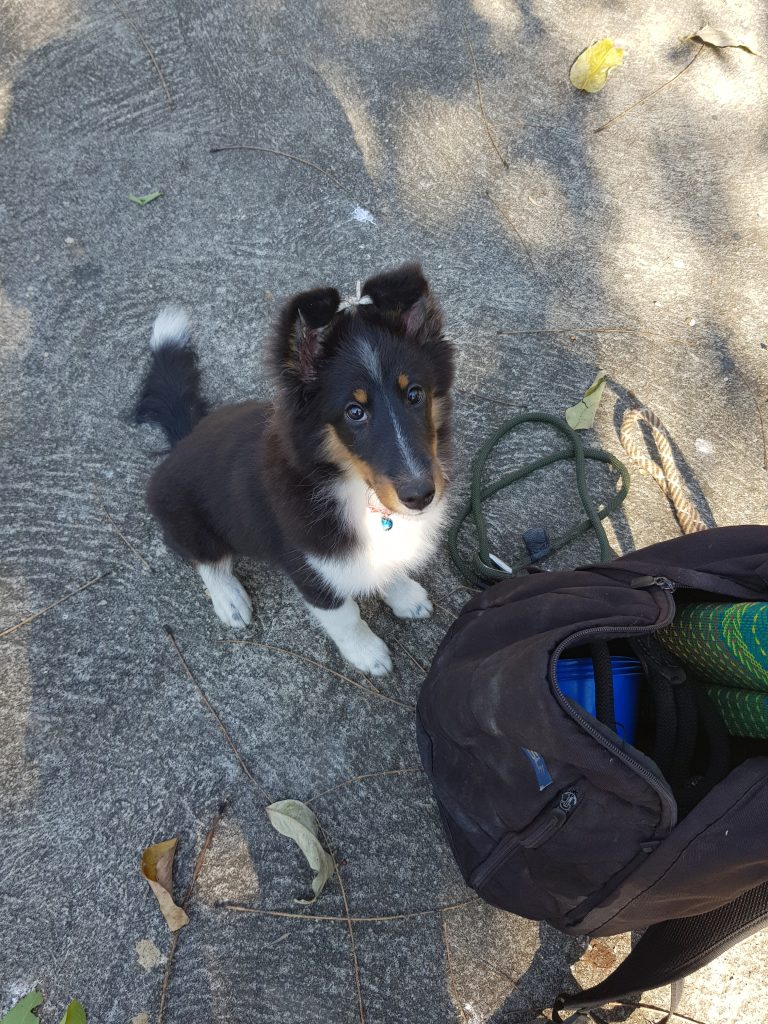
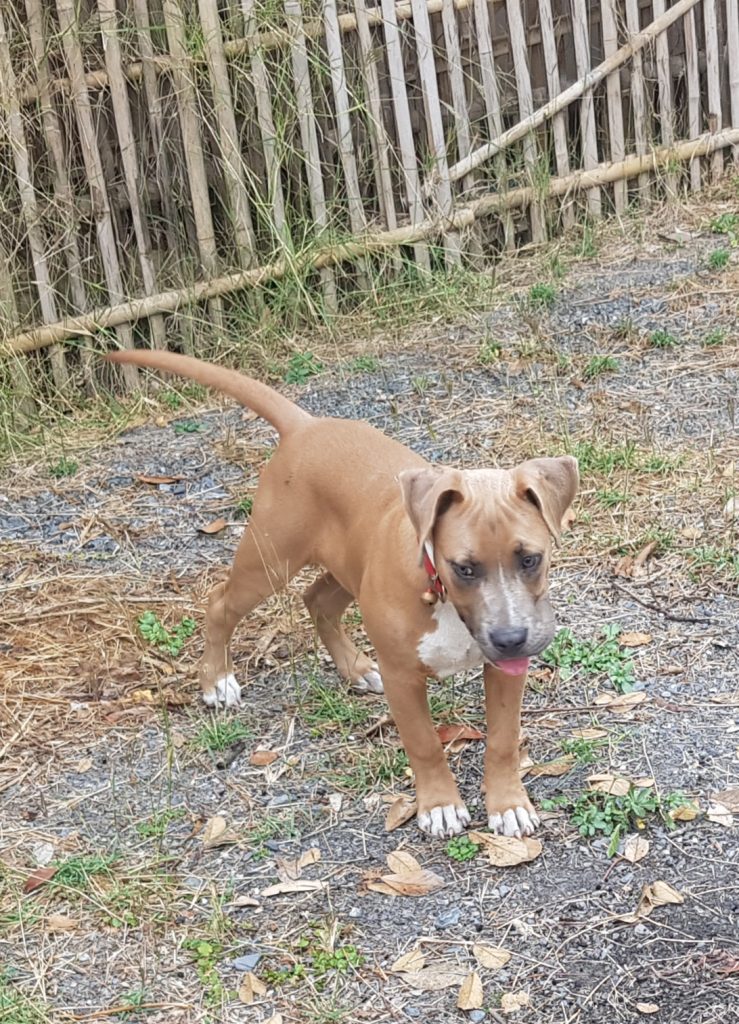
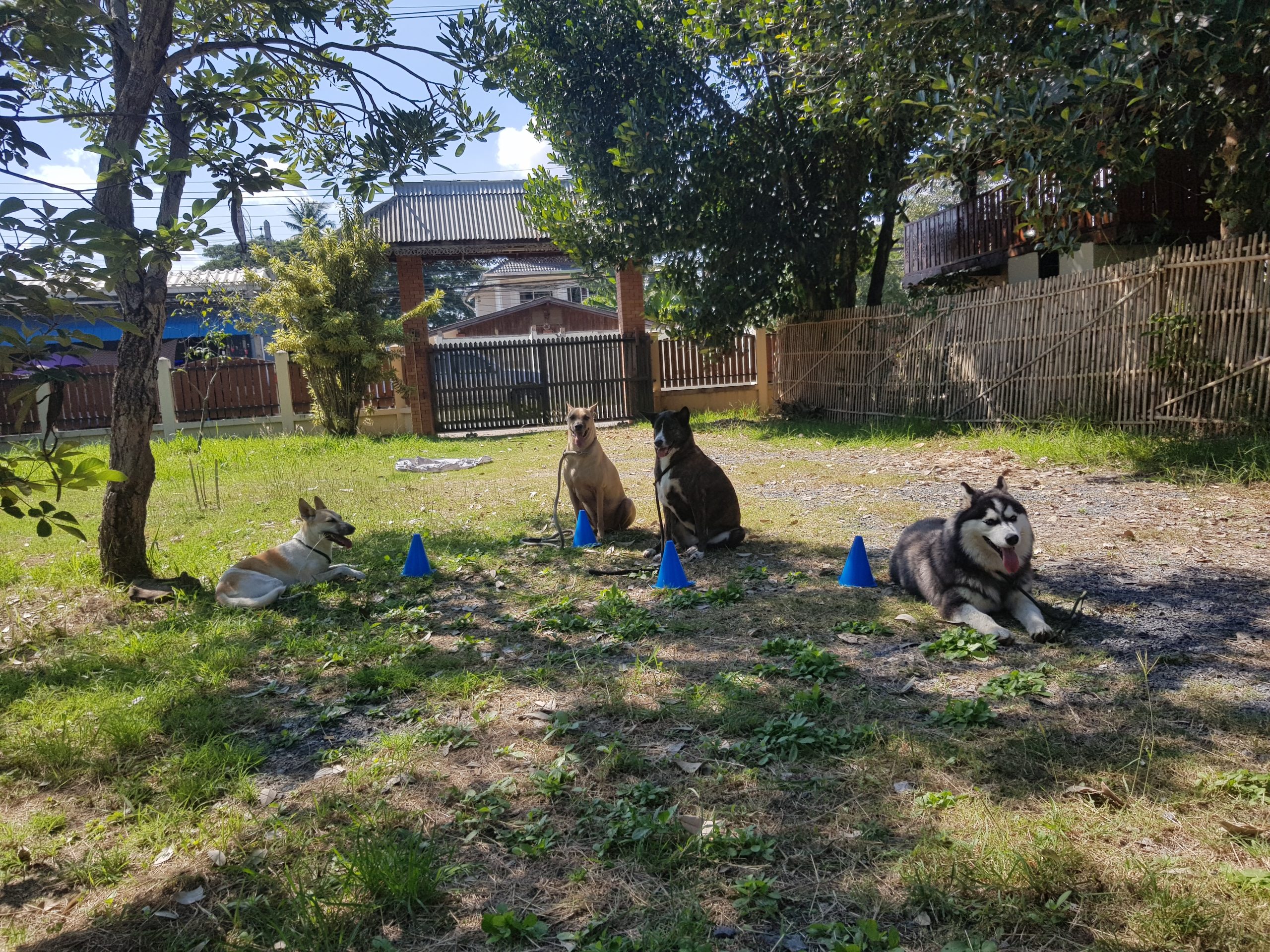
Connection makes recall reliable. The Invisible Leash reframes obedience as choice. By strengthening trust and emotional alignment, NeuroBond training transforms recall into a joyful act of returning, not a reluctant command.
Troubleshooting Common Scenarios
“My Dog Looks at Me and Runs the Other Way”
This is actually valuable feedback. Your dog is telling you that coming to you has become associated with something unpleasant. Stop calling them entirely for two weeks. Focus only on making yourself incredibly rewarding to approach voluntarily. Let them rebuild trust in approaching you on their terms.
“My Dog Comes Halfway and Stops”
Your dog is experiencing conflict between desire to comply and some opposing force – usually fear or uncertainty about what happens next. Practice “partial recalls” where coming halfway is perfectly acceptable. Gradually, they’ll feel safe coming closer as trust builds.
“My Dog Only Comes When I Have Treats”
You’ve created a transaction, not a relationship. Phase out visible treats immediately. Instead, reward with play, praise, and freedom. The treat should be a surprise bonus, not a visible bribe. Your relationship needs to become more valuable than food.
“My Dog’s Recall Is Perfect Until They See Another Dog”
Social motivation is overriding trained behavior. Instead of calling your dog away from other dogs, practice calling them to you before releasing them to play. Coming to you becomes the gateway to what they want, not the end of it. You’re adding value to recall, not using it to remove value from their life.
Red Flags vs. Normal Struggles: When to Worry and When to Wait
Understanding the difference between normal recall development and concerning patterns can save you unnecessary worry while ensuring you don’t miss important warning signs. Let’s explore what’s expected versus what needs attention.
Normal Developmental Phases
Puppy Scatter Brain (8-16 weeks) Your puppy gets distracted every three seconds? That’s perfectly normal. Their attention span is literally seconds long, and the world is completely new. Expecting consistent recall at this age is like expecting a toddler to sit through a board meeting. Celebrate any moment of attention, no matter how brief.
The Teenage Rebellion (6-18 months) Did your previously reliable recall suddenly disappear? Welcome to canine adolescence. Your dog’s brain is literally rewiring itself, and previously learned behaviors can temporarily vanish. This isn’t defiance – it’s neurodevelopment. The recall you built earlier will return, often stronger, once their brain stabilizes.
Environmental Regression Your dog has perfect recall at home but acts like they’ve never heard their name at the park? This is normal generalization challenge, not a problem. Dogs don’t automatically transfer learning between contexts. Each new environment requires patient re-teaching.
Seasonal Distractions Spring brings overwhelming scents, fall triggers hunting instincts, and summer’s heat affects cognitive processing. These seasonal recall challenges are normal adaptations, not training failures. Adjust your expectations with the calendar.
Red Flags Requiring Professional Support
Fear-Based Avoidance Patterns:
- Your dog consistently cowers or shows stress signals when called
- Recall attempts trigger hiding, trembling, or submissive urination
- Your dog actively avoids eye contact when you call them
- They approach in a low, creeping manner showing fear rather than joy
- Recall reliability decreases over time despite consistent positive training
- Your dog shows increasing anxiety around you in general
These patterns suggest trauma or fear associations that require professional intervention. This isn’t something to work through alone – your dog needs specialized help to rebuild trust.
Sudden Behavioral Changes:
- Previously reliable recall suddenly disappears without obvious cause
- Your dog seems confused by familiar commands they once knew
- Disorientation or delayed response to their name
- Staring episodes or seeming “absent” when called
- Changes in overall responsiveness, not just recall
- Any regression accompanied by other behavioral changes
These could indicate medical issues requiring veterinary evaluation before any training intervention.
Medical Concerns Affecting Recall
Hearing Issues: Watch for dogs who respond better when facing you, come only when they see visual cues, or show improved recall in quiet environments but not noisy ones. Age-related hearing loss is common but treatable with adjusted training approaches. Your dog isn’t ignoring you – they literally can’t hear you.
Vision Problems: Dogs who recall well in daylight but poorly at dusk, who seem startled when you “suddenly appear,” or who have trouble locating you even when calling might have vision issues. This especially affects senior dogs but can occur at any age.
Cognitive Dysfunction:
- Forgetting familiar commands
- Getting “stuck” in corners or behind furniture
- Delayed response to all cues, not just recall
- Confusion about familiar routes or locations
- Changes in sleep-wake cycles affecting daytime alertness
If you notice these signs, especially in dogs over seven years old, consult your veterinarian about canine cognitive dysfunction. Early intervention can significantly slow progression.
Pain or Discomfort: A dog who recalls enthusiastically sometimes but reluctantly other times might be experiencing intermittent pain. Watch for subtle signs like slower approach, reluctance to sit when they reach you, or weather-dependent recall reliability. Pain changes everything about behavior, including recall. 🐾
When Professional Help is Essential
Seek immediate professional support if you observe:
- Any fear-based responses to recall attempts
- Regression despite consistent positive training
- Sudden unexplained changes in recall reliability
- Signs of potential medical issues
- Recall failures putting your dog in repeated danger
- Your own frustration reaching levels that affect your relationship
Remember: seeking help isn’t failure. It’s responsible dog ownership that prioritizes your dog’s wellbeing and your relationship.
The Owner’s Emotional Regulation Toolkit
Your emotional state is the invisible leash’s foundation. Dogs read our inner world with stunning accuracy, making emotional regulation not just helpful but essential for recall success. Let’s build your toolkit for maintaining the calm, confident energy that draws your dog to you.
Pre-Recall Breathing Reset
Before calling your dog, especially in challenging situations, use this quick reset:
The 4-7-8 Breath: Inhale through your nose for 4 counts, hold for 7 counts, exhale through your mouth for 8 counts. This activates your parasympathetic nervous system, shifting you from stress to calm. Your dog will immediately sense this change. Do this before calling your dog in any high-stakes situation.
The Grounding Breath: Feel your feet on the ground. Breathe in while imagining roots growing from your feet into the earth. Breathe out any frustration or urgency. This creates the grounded presence dogs naturally trust and follow.
After Recall Failure: The Recovery Protocol
When your dog doesn’t come and frustration rises, resist the urge to call repeatedly or show anger. Instead:
The Pause and Reset:
- Stop. Take three deep breaths
- Remind yourself: “This is feedback, not failure”
- Physically turn away from your dog for 10 seconds
- Reset your body language to neutral
- Approach calmly to collect your dog without emotion
The Emotional Check-In: Ask yourself: “What am I really feeling right now?” Often, recall frustration masks deeper feelings – embarrassment in front of others, fear for your dog’s safety, or feeling out of control. Acknowledging the real emotion helps you address it appropriately rather than projecting onto your dog.
Positive Self-Talk Scripts
Replace default negative thoughts with these relationship-building alternatives:
Instead of: “My dog never listens to me” Try: “My dog is still learning to trust our connection”
Instead of: “They’re doing this on purpose” Try: “They’re telling me something about their needs”
Instead of: “I’m a terrible dog owner” Try: “We’re both learning and growing together”
Instead of: “This is so embarrassing” Try: “Every dog-owner team has their own journey”
Instead of: “They should know this by now” Try: “Every environment is a new learning opportunity”
Your Body Language Checklist for Welcoming Energy
Before calling your dog, quickly scan your body:
Face and Voice:
- Soft eyes, not hard stare
- Relaxed jaw, slight smile
- Voice higher and lighter, not deep and serious
- Genuine warmth in your tone (dogs detect fake cheer instantly)
Upper Body:
- Shoulders relaxed and dropped, not tense
- Arms loose at sides or open, not crossed
- Chest open, not protective
- Leaning slightly back, not forward (forward pressure pushes dogs away)
Lower Body:
- Weight balanced or slightly back on heels
- Knees soft, ready to crouch in welcome
- Body angled slightly sideways (less threatening than straight-on)
- Ready to move backward (movement away triggers approach)
The Energy Check: Before calling, ask: “Would I want to approach me right now?” If the answer is no, take a moment to shift your energy. Your dog is reading you more accurately than you’re reading yourself.
Emergency Emotional Overrides
For moments when frustration overwhelms despite your best efforts:
The Pattern Interrupt: Do something completely unexpected – hop on one foot, spin in a circle, lie down on the ground. This breaks your emotional pattern and often intrigues your dog enough to approach.
The Play Reset: Shift from recall to play. Run away, hide behind a tree, or start playing with a stick. This transforms the energy from demand to invitation.
The Surrender Strategy: Sometimes the best response is no response. Sit down, become quiet and still. Many dogs will approach out of curiosity once the pressure dissipates. This isn’t giving up – it’s giving space for voluntary connection. 😄
Breed-Specific Recall Challenges: Working With Your Dog’s DNA
Your dog’s breed isn’t just about looks – it’s about centuries of selective breeding for specific behaviors. Understanding your dog’s genetic programming helps you work with their nature rather than against it. Let’s explore how different breed groups experience recall and how to adapt your approach accordingly.
Terriers: The Independent Thinkers
Terriers were bred to work alone, making independent decisions while hunting vermin underground. This genetic programming creates unique recall challenges.
The Terrier Mind: Your terrier isn’t stubborn – they’re genetically programmed to evaluate whether your suggestion is worth following. They’re thinking, “Is coming to you more interesting than this fascinating hole I’m investigating?” This isn’t defiance; it’s selective breeding at work.
Working With Terrier Tenacity:
- Make yourself more interesting than their current fixation
- Use their prey drive constructively – recall can lead to chase games with you
- Never engage in chase when they don’t come – terriers love being pursued
- Short, exciting training sessions work better than long, repetitive ones
- Celebrate small wins enthusiastically – terriers respond to genuine excitement
The Terrier Recall Formula: Instead of expecting immediate compliance, create a “cost-benefit analysis” that favors you. If investigating that hole rates a 7/10 in interest, your recall reward needs to rate 8/10 or higher. This might mean extra special treats, explosive play sessions, or access to approved digging areas.
Herding Breeds: The Motion Managers
Border Collies, Australian Shepherds, and other herders were bred for intense focus and motion sensitivity. Their recall challenges stem from overwhelming mental stimulation and control instincts.
The Herder’s Dilemma: Your herding dog’s brain is constantly cataloguing movement – every leaf, bird, and passing car demands assessment. When you call them, you’re competing with a brain processing hundreds of movement signals simultaneously. They’re not ignoring you; they’re overwhelmed by environmental data.
Managing the Herding Brain:
- Practice recall before they lock onto movement patterns
- Use precise, consistent verbal cues – herders appreciate clarity
- Incorporate “job” elements into recall – coming to you is their assigned task
- Build in control exercises that satisfy their management needs
- Create recall chains – come, sit, wait, release – giving them multiple success points
The Movement Strategy: Herders often respond better to movement-based recalls. Instead of standing still, move away from them. This triggers their instinct to keep the “flock” (you) together. You become a sheep that needs herding back to safety.
Toy Breeds: The Confidence Builders
Small dogs face a giant world where everything is potential danger. Their recall challenges often stem from fear and self-preservation instincts.
The Small Dog Reality: Your Chihuahua or Yorkie lives in a world where hawks are real threats and every large dog could be a predator. When they don’t come when called, they might be conducting a complex risk assessment: “Is running across this open space to my human worth the exposure?”
Building Toy Breed Confidence:
- Crouch down when calling – reducing your height makes you less intimidating
- Create safe zones during recall practice
- Never call them into overwhelming situations (groups of large dogs, busy areas)
- Use higher-pitched, gentle voices – deep voices can trigger fear
- Build confidence gradually in increasingly challenging environments
- Protect them from negative experiences that could damage recall trust
The Safety-First Approach: For toy breeds, recall must always represent safety. If coming to you ever results in scary experiences (being picked up suddenly, approached by large dogs), recall becomes associated with danger rather than security.
Working Breeds: The Job-Focused Partners
German Shepherds, Rottweilers, Dobermans, and similar breeds were developed for specific jobs requiring handler partnership balanced with independent decision-making.
The Working Dog Paradox: Working breeds are simultaneously highly handler-focused and independently decisive. Your German Shepherd wants to work with you but also needs to assess whether your recall command makes tactical sense. They’re not questioning your authority; they’re evaluating the situation like the working partner they were bred to be.
Balancing Partnership and Compliance:
- Frame recall as part of their job – protecting you requires proximity
- Use their protective instincts positively – they need to check on you
- Build recall into structured activities they find meaningful
- Respect their intelligence with consistency and clear communication
- Avoid repetitive drilling – working breeds get bored and tune out
The Partnership Protocol: Working breeds respond best when recall feels collaborative rather than commanded. Instead of “come,” try “let’s go” or “with me.” You’re inviting partnership, not demanding obedience. This subtle shift honors their breeding while achieving your goal.
Sighthounds: The Motion-Triggered Runners
Greyhounds, Whippets, and other sighthounds present unique recall challenges due to their prey drive and chase instincts.
The Sighthound Switch: Your sighthound has two modes: couch potato and precision hunter. When motion triggers their chase instinct, their brain literally changes. Recall during active chase is neurologically nearly impossible – the prey drive overrides all trained behaviors.
Working With Chase Instincts:
- Practice recall before the chase switch flips
- Use management (long lines) in high-trigger environments
- Make yourself the most interesting moving object
- Run away from them to trigger chase toward you
- Never punish failed recall during chase – they literally couldn’t hear you
The Pre-Chase Window: Learn to recognize the moment before your sighthound locks onto movement. Their body tenses, ears prick, and focus narrows. This is your recall window. Once they launch, wait for the chase to end before attempting recall.
Scent Hounds: The Nose-Led Explorers
Beagles, Bloodhounds, and Bassets experience the world primarily through scent, creating unique recall challenges.
The Scent Highway: When your Beagle is on a scent trail, they’re reading an fascinating novel you can’t even perceive. Asking them to abandon this story for recall is like someone interrupting you during the climax of your favorite movie. The scent trail provides information and stimulation their brain craves.
Scent-Sensitive Strategies:
- Use recall before they lock onto a scent trail
- Incorporate scent work into recall rewards
- Practice “recall with purpose” – calling them to investigate new scents with you
- Accept that mid-trail recall may be impossible
- Build strong recall in low-scent environments first
The Scent Trade-Off: Make coming to you lead to better scent experiences. Hide treats for them to find after successful recall. You’re not pulling them away from their world; you’re becoming their guide to even better olfactory adventures. 🧠
The Long-Term View: Maintaining Lifetime Recall
Daily Relationship Maintenance
Morning Check-Ins Start each day with a voluntary connection moment. Don’t demand it; wait for it. When your dog chooses to greet you, celebrate that choice. This sets the tone for a day of chosen connection.
Throughout-the-Day Touches Multiple brief positive interactions throughout the day maintain the recall pathway. A quick pat when they pass by, a word of praise when they check in, a moment of eye contact across the room – these micro-connections sustain the macro-behavior of recall.
Evening Reflection End each day with calm, connected time. This might be gentle grooming, quiet companionship, or simply being present together. This reflection time consolidates the day’s learning and strengthens your bond.
Seasonal Adjustments
Spring Challenges New scents, increased wildlife activity, and hormonal changes can challenge recall. Anticipate these challenges and adjust your expectations. Practice in gradually more distracting environments as your dog adapts to the season’s stimulation.
Summer Intensities Heat affects cognitive function. Practice recall during cooler parts of the day. High temperatures can reduce your dog’s ability to process commands, so adjust accordingly.
Fall Instincts Many dogs experience increased prey drive in fall. Work with this by incorporating hunting games into recall practice. Let them “hunt” for you, making recall part of their instinctive pattern.
Winter Considerations Cold can either sharpen or dull responses depending on your dog. Some become more responsive in cold weather; others struggle. Know your dog’s pattern and adjust training accordingly.
Age-Appropriate Adaptations
Puppy Recalls (8 weeks – 6 months) Focus entirely on making coming to you the best thing ever. No corrections, no frustration, just pure positive association. You’re installing software that will run for a lifetime.
Adolescent Challenges (6 months – 2 years) Expect recall regression during adolescence. This is normal brain development, not defiance. Maintain consistency while accepting temporary decreases in reliability. The foundation you built as a puppy will resurface after this phase.
Adult Maintenance (2 – 7 years) This is your golden period for recall. The relationship is established, the brain is mature, and patterns are set. Regular practice in various contexts maintains the behavior without intensive training.
Senior Adjustments (7+ years) Hearing loss, cognitive changes, and physical limitations may affect recall. Adapt by using visual cues, moving closer before calling, and being patient with slower responses. The relationship remains, even if the behavior needs modification. 🐾
Measuring Success: Beyond Perfect Compliance
Redefining Reliability
Success isn’t 100% instant compliance. It’s:
- Your dog checking in with you voluntarily throughout walks
- Choosing to stay within reasonable range without being called
- Responding to recall in gradually more challenging environments
- Coming to you during moments of uncertainty
- Maintaining connection even when distracted
Progress Markers
Week 1-4: Increased voluntary attention and check-ins Week 5-8: Reliable recall in low-distraction environments
Week 9-12: Emerging recall in moderate distractions Month 4-6: Consistent recall in familiar challenging environments Month 7-12: Generalized recall across most contexts Year 2+: Recall as default behavior, part of your invisible leash
The Relationship Barometer
Your dog’s recall reliability is a direct reflection of your relationship quality. When recall struggles, look deeper:
- Are you spending quality time together?
- Is your communication clear and consistent?
- Are you respecting your dog’s needs and instincts?
- Is trust flowing both directions?
These questions matter more than any training technique.
Conclusion: The Journey to Connection
Building reliable recall isn’t about perfecting a command – it’s about creating a relationship where your dog chooses you over other options. The NeuroBond approach recognizes that true recall emerges from trust, connection, and mutual understanding, not from mechanical repetition or dominance.
Remember: your dog is an operating system on four legs, processing the world through instincts refined over thousands of years. When we respect these instincts and work with them rather than against them, recall becomes not just possible but natural. The invisible leash isn’t a training technique; it’s the manifestation of a relationship where your dog genuinely wants to be with you.
Every failed recall is feedback, not failure. It’s your dog telling you something about your relationship, the environment, or their emotional state. Listen to this feedback. Adjust your approach. Build trust incrementally.
The journey from unreliable recall to the invisible leash isn’t quick, but it’s transformative. You’re not just teaching your dog to come when called; you’re building a partnership that transcends commands. When you achieve this, recall becomes effortless because it’s no longer something you demand – it’s something your dog offers.
Your furry friend isn’t ignoring you out of spite or stupidity. They’re navigating a complex world with a brain that processes information differently than ours. When we meet them where they are, understand their perspective, and build bridges of trust and connection, recall transforms from a constant struggle to a natural expression of your bond.
The invisible leash awaits. Not as a destination, but as an ongoing journey of connection, trust, and mutual understanding. Every step toward your dog when they don’t come, every patient moment of waiting for them to choose you, every celebration of their voluntary attention – these are the threads that weave the invisible leash.
Trust the process. Trust your dog. Most importantly, trust the relationship you’re building together. That’s where true recall lives – not in perfect obedience, but in chosen connection. 🧡










