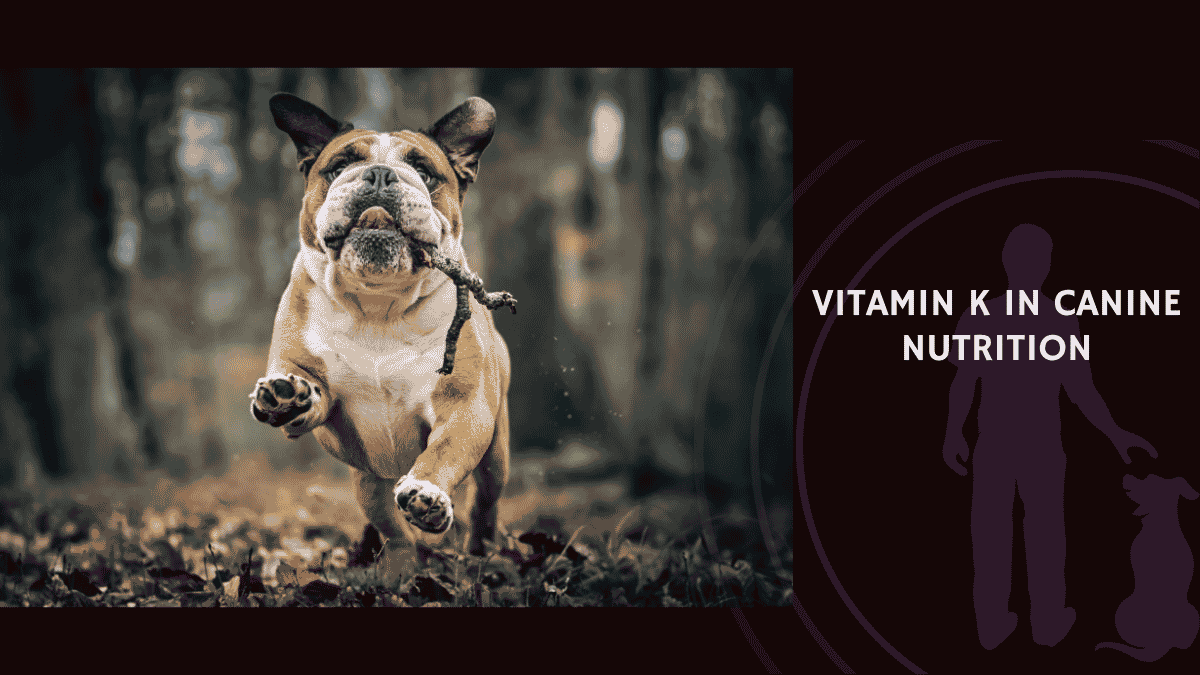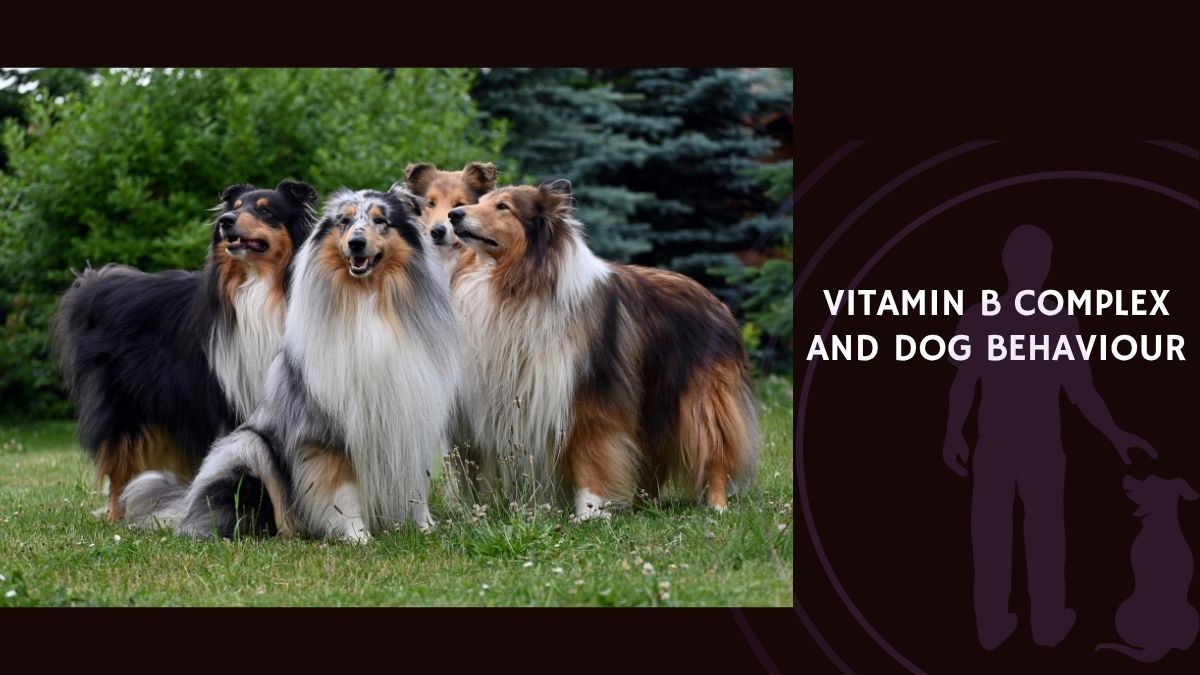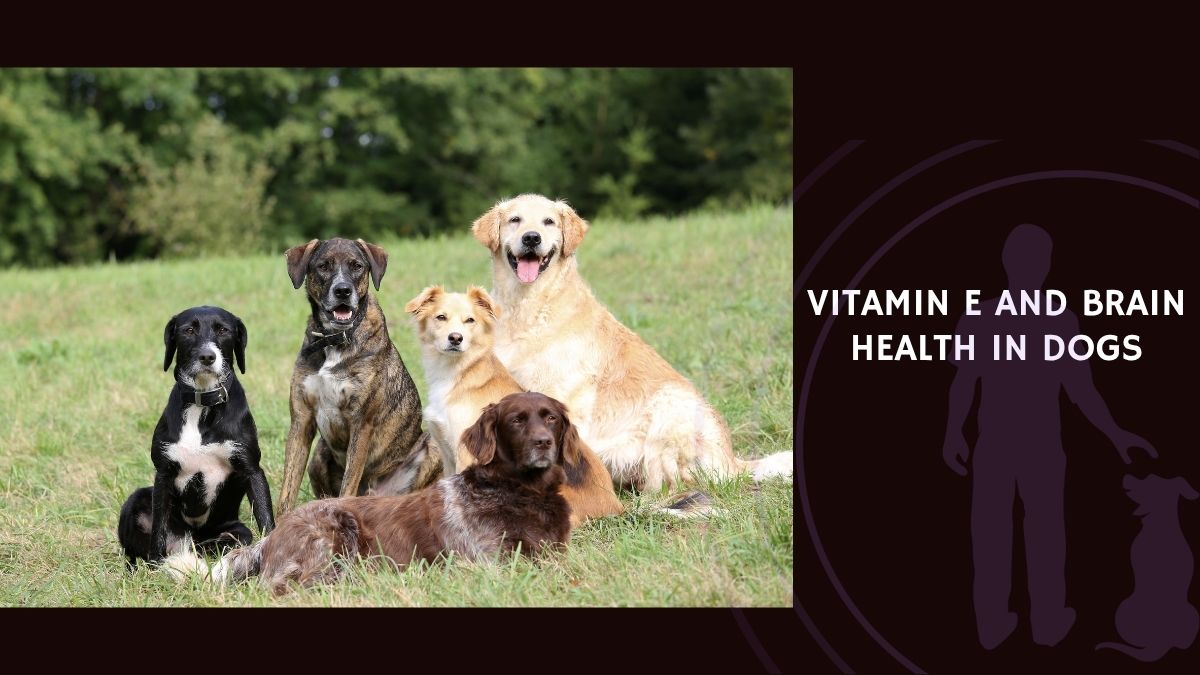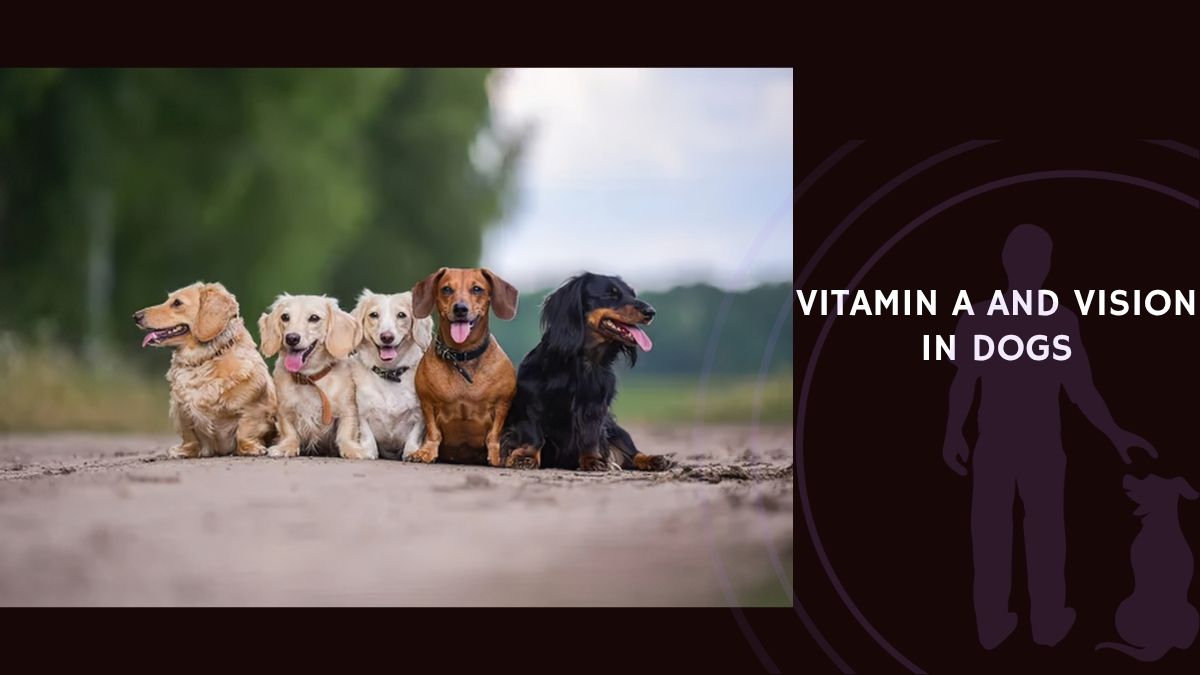
Cunningham-Smith and Emery (2020) highlight how humans have long shaped dogs’ morphology and behavior to fulfill roles such as hunting, herding, guarding, carrying burdens, and companionship. Selective breeding over centuries created immense phenotypic diversity—greater than in any other mammal—resulting in wide variation in size, coat type, and behavioral traits.
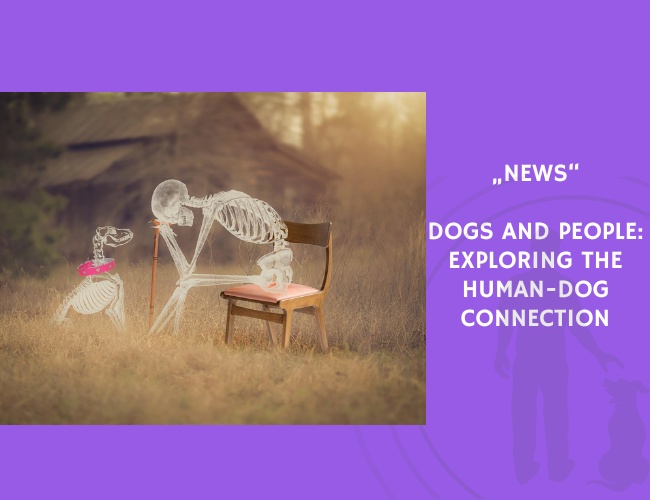
The study emphasizes that although humans intentionally molded dogs to suit specific needs, dogs are not merely passive products of human influence. Instead, they are active social participants with complex behaviors and individual agency. This perspective frames dogs as non-human social actors within human communities, shaping the relationship as much as they are shaped by it.
By integrating ethnobiology with canine studies, the research provides a deeper understanding of the reciprocal nature of the human-dog bond—acknowledging not only human control through selective breeding but also dogs’ influence as companions and co-actors in social life.
Source: Cunningham-Smith, P., & Emery, K. (2020). Dogs and People: Exploring the Human-Dog Connection. Journal of Ethnobiology, 40, 409–413. References: 31. Citations: 10.