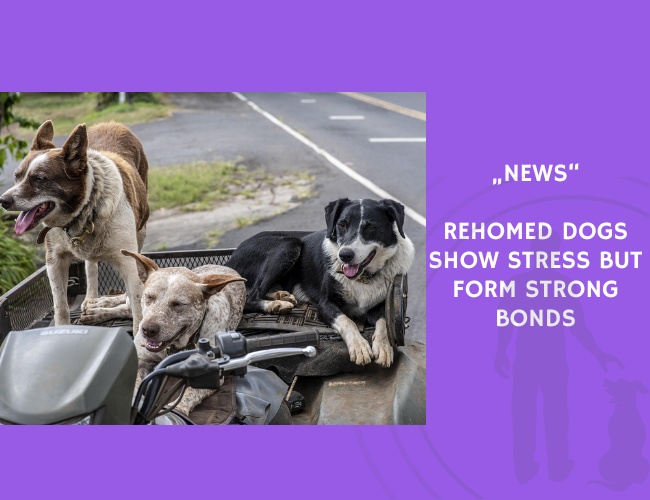
Cornelia Sulonen and colleagues (2024) examined the behavioral and physiological effects of rehoming by studying 20 relinquished shelter dogs, 30 rehomed dogs, and 33 control dogs that had remained with their owners since puppyhood.
Dogs completed tasks including an unsolvable problem test, an eye-contact test, and a memory test. Hair cortisol samples were collected to assess long-term stress, while owners completed questionnaires on their human-dog relationship and participated in a behavioral synchronization test.
The results showed that shelter dogs made less eye contact in tasks, suggesting short-term stress, and also displayed higher long-term cortisol levels than rehomed dogs. However, stress-related behaviors did not differ between groups, and performance on the memory test was similar. Importantly, both rehomed and control dogs synchronized behavior with their owners, and owners of rehomed dogs reported greater emotional closeness than control owners.
This study highlights that although relinquished dogs may initially struggle with stress, they are capable of adapting and developing strong bonds in their new homes, underscoring the resilience of dogs and the importance of supportive rehoming practices.
Source: Sulonen, C., Löf, J., Jensen, P., Lasses, K., Theodorsson, E., Quist, H., & Roth, L. S. V. (2024). Behavior, long-term stress and relationship to owner in relinquished dogs.