
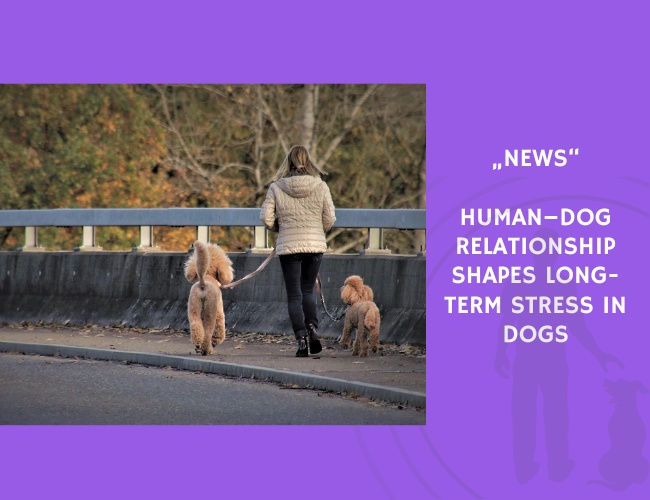
Domestic dogs are deeply attuned to human behavior, and stress is one domain where this connection becomes evident. Using hair cortisol concentration (HCC) as a biomarker of long-term stress, Höglin et al. (2021) investigated stress patterns in ancient breeds, solitary hunting dogs, and previously studied herding breeds. These groups differ in their evolutionary and functional histories, particularly in terms of selection for cooperation with humans.
The study recruited 24 ancient breed dogs and 18 solitary hunting dogs, collecting hair samples from both dogs and their owners. Owners also completed surveys about lifestyle, their relationship with their dogs (MDORS scale), and personality (Big Five Inventory). Results revealed that the perceived cost of the relationship—how burdensome owners found aspects of dog care—was significantly correlated with dog stress levels across groups. For solitary hunting breeds, stress was also influenced by owner personality traits such as Agreeableness and Openness.
Interestingly, while herding breeds from a prior study showed stress synchronisation with their owners, this effect was not found in ancient or solitary hunting breeds. This suggests that stress synchronisation may be a unique trait shaped by selective breeding for cooperation with humans.
In conclusion, the findings highlight that dog stress is not only a reflection of the environment but also of the emotional dynamics of the human–dog relationship. Recognizing these links could help owners and veterinarians support canine welfare by fostering healthy interactions and reducing sources of relational stress.
Source: Höglin, A., Poucke, E. V., Katajamaa, R., Jensen, P., Theodorsson, E., & Roth, L. (2021). Long-term stress in dogs is related to the human–dog relationship and personality traits. Scientific Reports, 11. Publication Date: April 21, 2021.










