
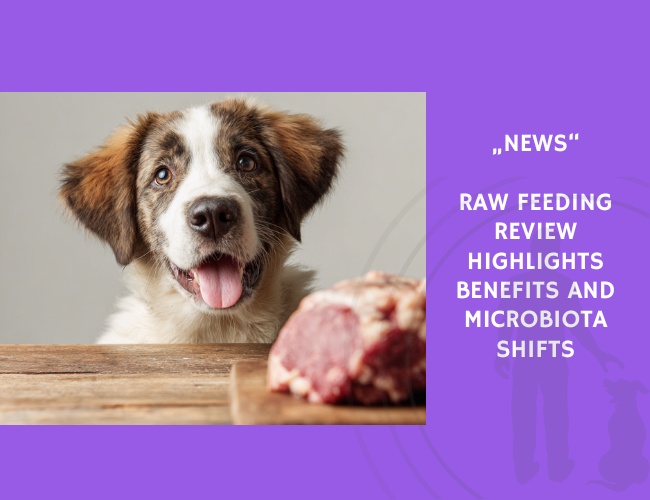
Interest in raw diets for companion animals has grown rapidly, fueled by the idea that such feeding practices reflect ancestral eating patterns. In this review, Craig (2019) outlined the biological rationale, nutritional benefits, and potential health impacts of raw feeding in dogs and cats.
Dogs, though omnivorous in practice, retain many carnivorous traits, including dentition and digestive physiology, and tend to prefer nutrient profiles closer to those of their wolf ancestors rather than modern kibble diets. Cats, as obligate carnivores, are even more tightly bound to meat-based nutrition. Raw diets, built around meaty bones, offal, eggs, and fish, are protein-rich, highly palatable, and provide unique prebiotic fibers from animal tissue.
One key distinction is their influence on the gut microbiota. Studies show that raw-fed dogs have markedly different microbial communities compared with those fed processed diets. These microbiota shifts may underpin metabolic and immune differences between diet groups, though more empirical evidence is needed to fully evaluate long-term health outcomes.
The review concluded that while most pets today are fed highly processed commercial diets, raw feeding provides a species-appropriate alternative that aligns more closely with evolutionary nutrition. However, careful construction of these diets is essential to ensure nutritional balance and avoid potential risks of deficiency or contamination.
Source: Craig, J. M. (2019). Raw feeding in dogs and cats. Companion Animal. Publication Date: December 2, 2019. References: 112. Citations: 5.










